
Inside Our White Plains Dry Eye Center: How Light Modulation Therapy (LLLT) Restores Your Tears

Inside Our White Plains Dry Eye Center: How Light Modulation Therapy (LLLT) Restores Your Tears

Inside Our White Plains Dry Eye Center: How Light Modulation Therapy (LLLT) Restores Your Tears

Inside Our White Plains Dry Eye Center: How Light Modulation Therapy (LLLT) Restores Your Tears

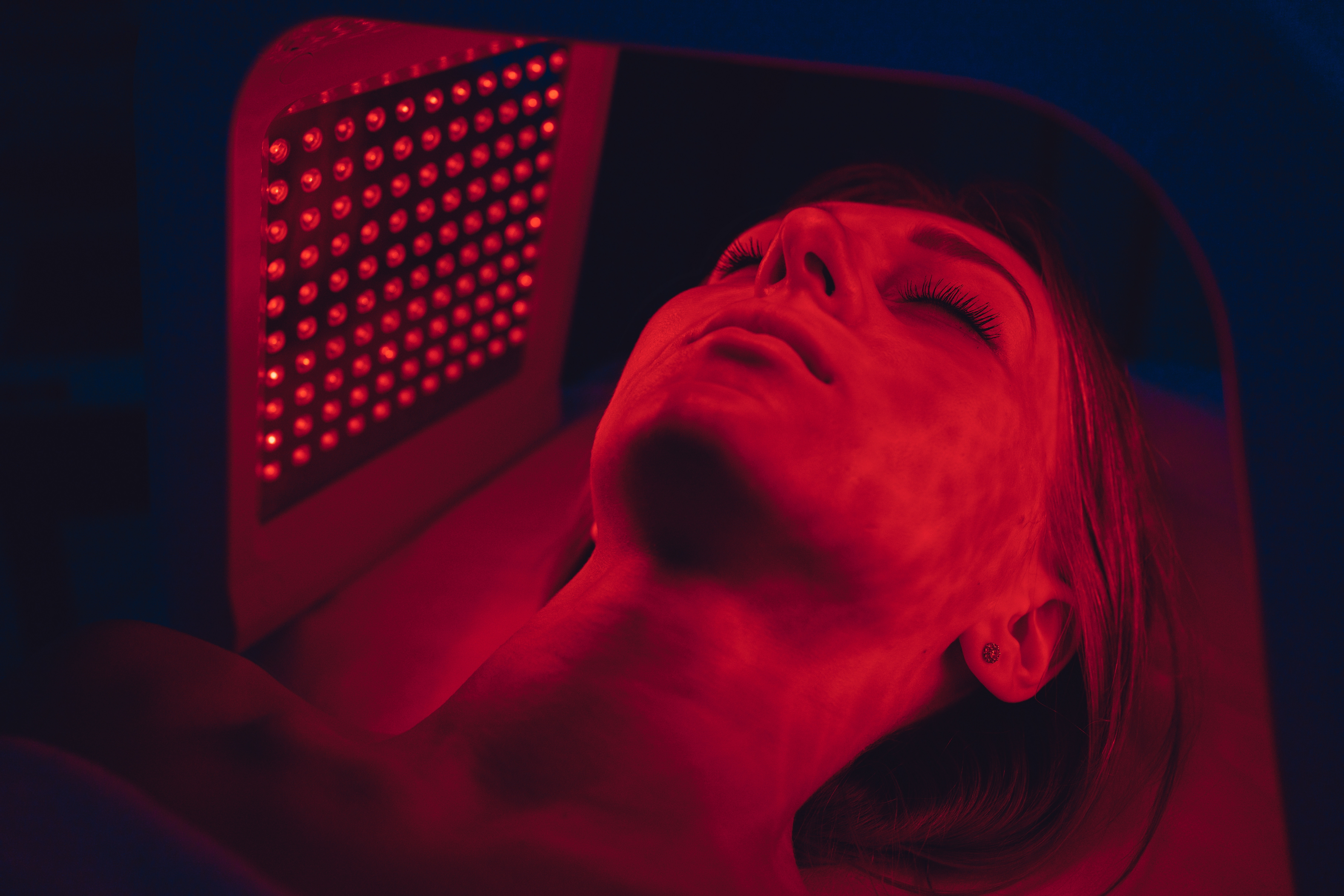
Dry eye can affect almost every part of your day, from reading and computer work to driving, outdoor activities, and contact lens wear. If your eyes burn, water, sting, or feel gritty, the problem may not be a simple lack of tears. Many patients have poor tear quality caused by clogged or underperforming oil glands in the eyelids.
At Westchester Eyes in White Plains, our Dry Eye Center focuses on identifying the underlying cause of dry eye symptoms and recommending targeted treatment options, including light modulation therapy, also known as low-level light therapy or LLLT.
Why Dry Eye Happens
A healthy tear film has multiple layers. The watery layer keeps the eye moist, while the oily layer helps prevent tears from evaporating too quickly. When the oil glands in the eyelids, called meibomian glands, are not functioning properly, tears can dry out too fast.
This is called evaporative dry eye, and it is one of the most common reasons patients experience burning, redness, fluctuating vision, and watery eyes. The eyes may water because they are irritated, but those reflex tears often do not provide lasting relief.
What Is Light Modulation Therapy?
Light modulation therapy, or LLLT, uses specific wavelengths of light to gently stimulate the tissues around the eyes. In dry eye care, this therapy is often used to help support meibomian gland function, reduce inflammation, and improve the quality of the tear film.
The goal is not just to cover up symptoms with drops. LLLT is designed to help the glands work more effectively so the tear film becomes more stable over time.
How LLLT Helps Restore Tears
When meibomian glands are blocked or sluggish, the oily layer of the tears becomes thinner or less effective. Without enough healthy oil, tears evaporate quickly, leaving the eye surface exposed. Light modulation therapy can help warm and stimulate the eyelid area, making it easier for the glands to release better-quality oils.
For White Plains patients with chronic dry eye, this can mean improved comfort, less burning, and more consistent vision throughout the day.
Signs You May Need A Dry Eye Evaluation
Dry eye symptoms vary from person to person. Some patients feel dryness, while others mostly notice watering or blurry vision. A dry eye evaluation may be helpful if you experience:
- Burning, stinging, or gritty eyes
- Watery eyes that still feel irritated
- Redness or inflammation
- Blurry vision that improves after blinking
- Light sensitivity
- Contact lens discomfort
- Eye fatigue during screen use
- Symptoms that worsen in wind, heat, or air conditioning
These symptoms can come from dry eye, allergies, eyelid inflammation, medication side effects, or other eye health concerns, so an accurate diagnosis matters.
What To Expect At A Dry Eye Center Visit
A dry eye visit is more detailed than simply asking which drops you use. Your eye doctor may evaluate your tear film, eyelids, meibomian glands, eye surface, and symptom history. The exam helps determine whether your dry eye is caused by tear evaporation, inflammation, poor tear production, or a combination of factors.
If LLLT is recommended, your provider will explain how the treatment works, how many sessions may be needed, and what to expect before and after each visit.
Is There Downtime After LLLT?
LLLT is non-invasive, and many patients return to normal activities shortly after treatment. Your eyes may feel slightly different after a session, but the goal is to support comfort rather than create a long recovery period.
Your provider may also recommend at-home care, such as eyelid hygiene, artificial tears, warm compresses, hydration, screen breaks, or prescription treatment depending on your exam findings.
A More Targeted Way To Treat Dry Eye
Dry eye can be frustrating because symptoms often return when the underlying cause is not addressed. Light modulation therapy gives White Plains patients another option when over-the-counter drops are not enough. With the right diagnosis and treatment plan, your tear film can become more stable, and your eyes can feel more comfortable in daily life.
To schedule a dry eye evaluation or ask about light modulation therapy, contact Westchester Eyes in White Plains, NY at 15 North Broadway Suite 1A, White Plains, NY 10601, or call (914) 946-4100.



- Monday9:00 AM - 4:00 PM
- Tuesday9:00 AM - 4:00 PM
- Wednesday9:00 AM - 4:00 PM
- Thursday9:00 AM - 4:00 PM
- Friday9:00 AM - 4:00 PM
- SaturdayClosed
- SundayClosed
Powered by
